

Less fertiliser, fewer livestock feed imports, less nitrogen loss
Evening lecture by Prof. Dr. Ir. Johan Sanders organized by the Rotterdamsche Chemische Kring.
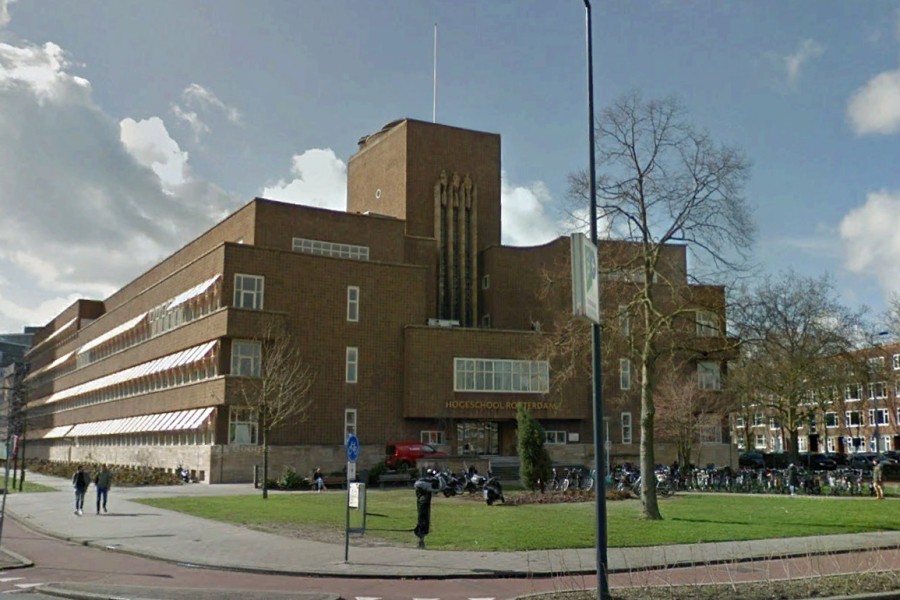
Evening lecture by Prof. Dr. Ir. Johan Sanders organized by the Rotterdamsche Chemische Kring.
Less fertiliser, fewer livestock feed imports, less nitrogen loss
Summary
Globally, we are using more nitrogen fertiliser than is sustainable in the long term. In the Netherlands, too, we have been grappling for years with the consequences of excessive nitrogen pollution. But does the solution lie solely in reducing livestock numbers?
This lecture focuses on a different approach: utilising nitrogen much more efficiently in agriculture. Grass biorefining by Grassa BV makes it possible to make better use of locally grown grass, reduce imports of protein-rich animal feed and feed cows a more targeted diet with less protein. As a result, less nitrogen ends up in manure.
A second approach focuses on the manure itself. Biological acidification of manure can significantly reduce ammonia emissions. In Groningen, important steps have been taken in recent years to further develop this approach into a practical technology.
Professor Emeritus Johan Sanders shares his experiences from the past five years and demonstrates how biorefining and fermentation technology can contribute to an agricultural sector that requires considerably less external nitrogen.
 Johan Sanders’ career
- University of Amsterdam: PhD in Molecular Biology, 1977
- Gist Brocades: 1977–1993 – various roles in R&D and business development
- AVEBE: 1993–2001 – Director of R&D
- Wageningen University and Research Centre: 2002–2014 – Professor of Biobased Commodity Chemicals
- Wageningen University and Research: Innovation Manager 2014–2018
- Sanovations BV, 2018 – present; launching new bio-based and nitrogen-related activities
Invitees are very welcome.
Please send an email to chemischekringrotterdam@gmail.com.